
Why Patient Comfort Matters in Clear Aligner Treatment
Clear aligner treatment has become one of the most popular orthodontic solutions in recent years. Patients appreciate the nearly invisible appearance, removable design, and improved aesthetics compared to traditional braces. However, beyond appearance and convenience, one factor plays a critical role in treatment success: patient comfort.
In modern orthodontics, comfort is no longer just a “nice-to-have” feature. It directly affects patient compliance, treatment efficiency, and overall satisfaction. For clinics, orthodontic labs, and aligner manufacturers, choosing high-quality materials is essential to creating a more comfortable aligner experience.
In this article, we’ll explore why patient comfort matters in clear aligner treatment and how high-quality thermoforming materials can improve clinical outcomes.
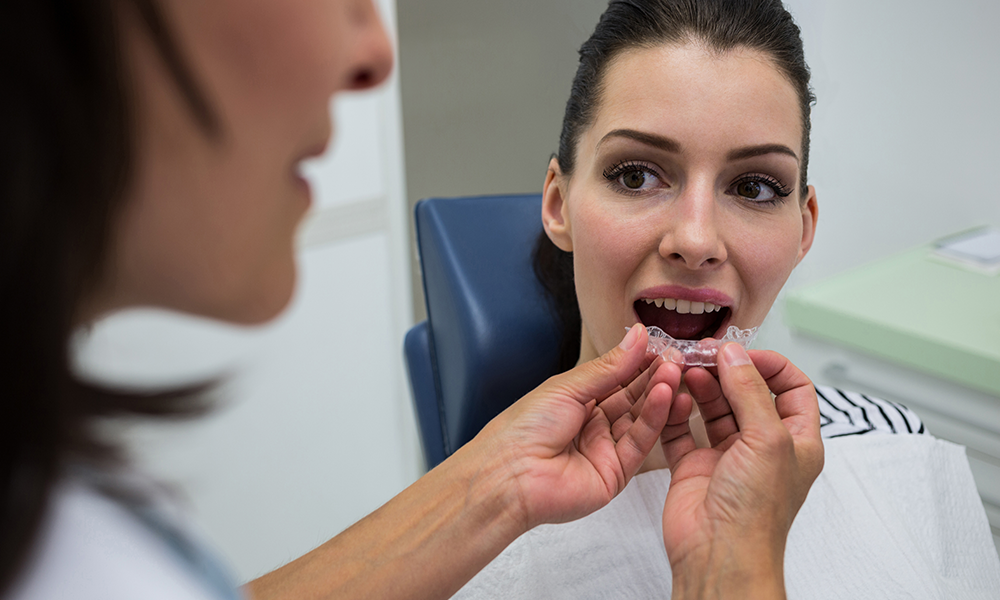
Why Comfort Is Essential During Aligner Treatment
Clear aligners are designed to be worn for approximately 20–22 hours per day. Because patients wear aligners for extended periods, even small discomfort issues can become significant over time.
When aligners feel uncomfortable, patients may:
- Remove aligners too frequently
- Fail to follow treatment instructions
- Experience irritation or soreness
- Delay treatment progress
- Lose confidence in the treatment process
Patient compliance is one of the most important factors in successful orthodontic treatment. Comfortable aligners encourage consistent wear, helping patients stay on track throughout the treatment journey.
For dental clinics and orthodontic providers, improving comfort can also lead to:
- Higher patient satisfaction
- Better treatment efficiency
- Fewer complaints and remakes
- Stronger clinic reputation
Common Causes of Aligner Discomfort
Not all aligners provide the same level of comfort. In many cases, discomfort is related to the quality of the aligner material and manufacturing process.
1. Rough or Sharp Edges
Poor trimming or low-quality thermoforming can create sharp edges that irritate the gums and soft tissues.
2. Poor Material Flexibility
Rigid materials may apply uneven pressure, causing unnecessary discomfort during tooth movement.
3. Low Transparency and Surface Quality
Cloudy or rough materials can negatively affect patient confidence and wearing experience.
4. Inconsistent Thermoforming Performance
If the material does not form accurately, the aligner may fit poorly, leading to pressure points and discomfort.
These issues highlight the importance of selecting high-quality thermoforming sheets for aligner production.
How Thermoforming Material Affects Patient Comfort
The thermoforming material used in aligner production directly impacts comfort, fit, durability, and aesthetics.
High-quality materials provide:
- Better flexibility
- Smooth surface finishing
- Accurate adaptation
- Improved transparency
- Stable performance during thermoforming
Among the commonly used materials in orthodontics, PETG thermoforming sheets are widely preferred for their balance of strength, clarity, and comfort.
SmileFind PETG Dental Thermoforming Sheets
For orthodontic clinics, dental labs, and aligner manufacturers looking for reliable material solutions, SmileFind® PETG Dental Thermoforming Sheets are designed to support both patient comfort and production efficiency.
Key advantages include:
- High transparency for better aesthetics
- Excellent flexibility for comfortable wear
- Smooth surface quality
- Stable thermoforming performance
- Consistent thickness control
- Suitable for clear aligners and retainers
These features help create aligners that fit more accurately and feel more comfortable for patients throughout treatment.
Why Clinics and Labs Choose High-Quality PETG Sheets
For dental professionals and manufacturers, material quality influences more than just patient comfort. It also affects workflow efficiency and product consistency.
High-quality PETG sheets help reduce:
- Material defects
- Thermoforming inconsistencies
- Remakes and adjustments
- Production downtime
Clinics and labs increasingly prefer reliable suppliers that can provide stable material performance for long-term production needs.
As an orthodontic material manufacturer, SmileFind provides OEM and wholesale support for global dental distributors, clinics, and aligner brands.
Reliable material performance allows providers to deliver better treatment experiences while maintaining efficient production standards.
Key Features to Look for in Thermoforming Sheets
When selecting thermoforming materials for clear aligners, several factors should be considered.
Transparency
Patients prefer aligners with excellent clarity and near-invisible appearance.
Flexibility
Balanced flexibility helps improve comfort while maintaining effective tooth movement.
Thermoforming Stability
Consistent forming performance ensures accurate aligner fit and reduced production errors.
Durability
Crack-resistant materials improve aligner lifespan during treatment.
Biocompatibility
Safe and patient-friendly materials are essential for long-term oral use.
High-quality PETG materials are designed to meet these clinical and manufacturing requirements, making them a preferred choice in modern orthodontics.
The Connection Between Comfort and Treatment Success
Comfort directly influences patient behavior during aligner treatment. When aligners feel smooth, lightweight, and comfortable, patients are more likely to follow wear schedules consistently.
Better compliance often leads to:
- Faster treatment progress
- Improved clinical outcomes
- Higher patient confidence
- Better overall treatment satisfaction
For orthodontic providers, investing in high-quality materials is not only about manufacturing better aligners — it is also about improving the entire patient experience.
Conclusion
Patient comfort has become a critical factor in modern clear aligner treatment. Comfortable aligners help improve compliance, enhance treatment efficiency, and increase patient satisfaction.
Material quality plays a major role in achieving these results. High-performance PETG thermoforming sheets can improve fit, flexibility, transparency, and overall wearing comfort.
For clinics, labs, and orthodontic brands looking for reliable aligner material solutions, SmileFind PETG Dental Thermoforming Sheets provide a dependable option for OEM and wholesale applications.
By choosing better materials, orthodontic providers can create a more comfortable and successful aligner experience for patients worldwide.
FAQ: Patient Comfort in Clear Aligner Treatment
Q1. Why is patient comfort important in clear aligner treatment?
Patient comfort directly affects treatment compliance. Since aligners should be worn for 20–22 hours per day, uncomfortable aligners may cause patients to remove them frequently, which can delay treatment progress and reduce effectiveness.
Q2. What causes discomfort when wearing clear aligners?
Common causes include:
- Sharp aligner edges
- Poor material flexibility
- Inaccurate fit
- Low-quality thermoforming materials
- Rough surface finishing
Using high-quality aligner materials can significantly reduce these problems.
Q3. How do thermoforming sheets affect aligner comfort?
Thermoforming sheets determine the aligner’s flexibility, transparency, smoothness, and fit accuracy. High-quality PETG sheets help create aligners that feel smoother, fit better, and provide a more comfortable wearing experience.
Q4. Why are PETG thermoforming sheets commonly used for clear aligners?
PETG materials are widely used because they offer:
- Excellent transparency
- Good flexibility
- Stable thermoforming performance
- Comfortable fit
- High durability
These features make PETG a reliable choice for clear aligner production.
Inquire Us Now
We will Get Back to You soon